

As a chiropractor, most people who come in to see me could be diagnosed with some level of postural disorder, specifically what is referred to as "text neck". Our use of and reliance on technology has changed in a way that is hard to measure. While computers, tablets, and cell phones have greatly improved many aspects of life, we also know that they have their drawbacks.
"Text Neck" refers to a forward head posture, shoulders rounding forward, and an exaggerated forward curve in the mid-back. We know that movement is good for the spine, and any posture we remain in for long periods of time can cause a number of issues. Among these are joint restriction, muscle tightness, and trigger points. In the case of text neck, we see it mostly in the middle and upper trapezius, as well as the erector spinae muscles, rhomboids, and levator scapulae.
How text neck affects the spine

The further forward your head moves, the more pressure is put on the joints of your spine, and it doesn't take much! Your head is heavy, and the cervical spine should have a curve in it to help absorb that weight.
Even a 15 degree forward lean in the cervical spine can more than double the effective weight of the head. This worsens significantly the further forward the head moves.
Text neck is a complaint that is unlikely to go away any time soon. As a society, our screen time is increasing and our dependence on computers and phones is higher than ever. It's important to do what we can to fight tech neck and promote healthy postures to preserve our musculoskeletal health for the long-term.
Addressing Text Neck
The first step to addressing text neck is to confirm that it is, indeed text neck. The best way to do so is to be examined by a qualified professional with the clinical background and knowledge to properly diagnose it.
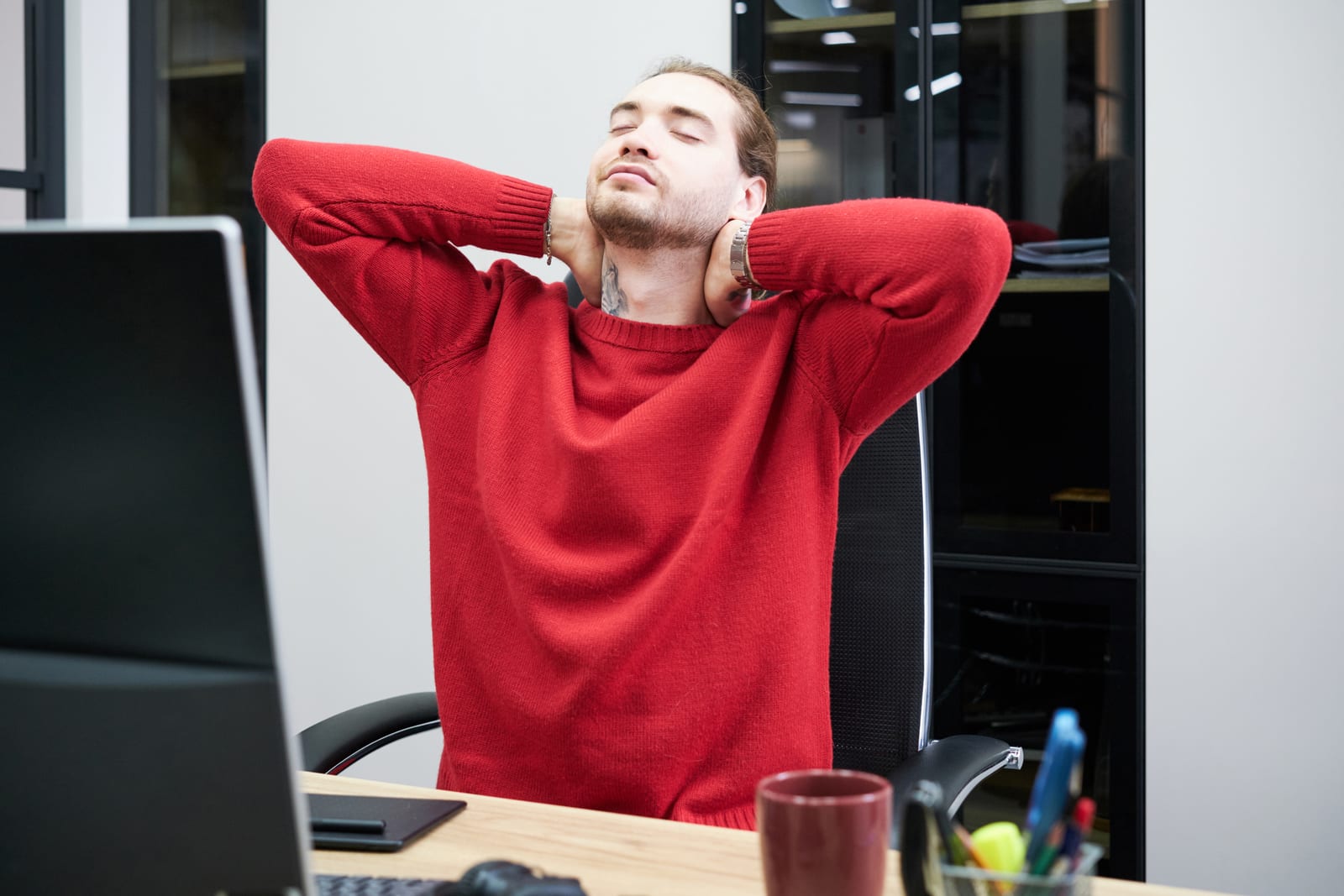
Once you have had an examination, a number of treatment options exist. Current recommendations for spine pain include spinal manipulative therapy in conjunction with therapeutic exercises. Spinal manipulations, often called adjustments, help restore local range of motion to the affected joints, and decrease pain in the area. Doing this along with incorporating exercises that strengthen specific muscle groups help to improve posture and decrease pain from complaints like text neck.
When we see patients with text neck, we often start with adjustments and prescribe a home exercise plan. There are a number of exercises and stretches that can help address text neck, so we spend time discussing with patients that one exercise that worked for someone may not work for them. It's important that we discuss often what is and isn't working, and adapt our care plan accordingly. Everyone is different and requires a unique combination of in office treatment and home exercises.
Often, the exercises and stretches recommended include motions that stretch the upper neck and pectoral muscles while strengthening the middle and lower trapezius, rhomboids, and deep neck flexors. For a simple starting point you can do at your desk, I put together a short shoulder mobility routine to fix desk posture that targets many of these same muscles. If your complaint is specifically that band of tightness between the shoulder blades, my stretches for upper back tightness go straight at it. And if the problem is broader than your neck, my guide to how to improve your posture covers the whole day, from your desk to your phone to your pillow. Everyone who comes in will be at a different level of fitness and ability with these exercises, so we may modify them to make them more or less difficult. It is important that we reassess often how each patient is progressing. Things can change quickly, and having an up-to-date picture of where a patient is in their care plan helps inform further care decisions.
Worried about your posture or think you may have text neck? Give us a call (913-400-2014) or schedule online and we can discuss your concerns and how to address it. We're always accepting new patients and look forward to helping you live a pain-free life!