

You get adjusted, you walk out feeling looser than you have in weeks, and then that evening your back feels a bit tender and achy. It's a slightly alarming feeling if nobody warned you it might happen, and it's one of the most common questions I get by text the day after a first visit.
So here's the straight answer: is it normal to be sore after a chiropractic adjustment? Usually, yes. It's common, it's short-lived, and it's rarely a sign that anything went wrong.
Why you feel sore afterward
Think about the last time you went back to the gym after a few months off. Nothing was injured, but the next day you felt it. That's roughly what's happening here.
When a joint has been stiff and guarded for a long time, the muscles around it settle into that pattern. An adjustment restores movement to that joint, and suddenly the surrounding tissue has to work through a range it hasn't visited in a while. That adaptation can feel like mild achiness, tenderness to the touch, or a dull stiffness for a few hours.
There's often a second reason too. Most visits with me aren't only an adjustment. If I've spent time working on tight muscle with my hands or an instrument, that soft tissue work leaves its own kind of tenderness, much like a deep massage does.
What normal soreness feels like
This is the part worth knowing, because it lets you tell the difference between "this is fine" and "I should call."
Normal post-adjustment soreness tends to be:
- Achy or stiff, not sharp or shooting.
- Local to the area treated, or the muscles right around it.
- Mild to moderate, the kind of thing you notice but can work around.
- Short, showing up within a few hours and easing within a day.
- Improving, so day two feels better than the evening of day one.
What it should not be is severe, escalating, or accompanied by new symptoms travelling down an arm or leg. More on that below.
How long it usually lasts
For most people, under 24 hours. Sometimes it's gone by the next morning, occasionally it lingers into a second day, especially after a first visit or after a longstanding problem gets addressed for the first time.
Soreness also tends to shrink as care goes on. The first adjustment is often the one people feel most, and by the third or fourth visit most patients don't notice much at all. This is well documented, and the NIH's National Center for Complementary and Integrative Health notes that these mild, temporary side effects usually resolve within a day.
Does being sore mean it worked?
No, and this one's worth clearing up because it cuts both ways.
Some people assume soreness is proof the adjustment did something, the way people treat gym soreness as proof of a good workout. It isn't. Soreness is just a side effect of tissue adapting, and how much you feel depends on how long the problem has been there, how tense you were walking in, and how your body responds. It isn't a scoreboard.
The flip side matters more. Plenty of patients feel nothing but relief and walk out with no soreness at all, then worry that means it didn't take. That's not right either. No soreness usually just means your body handled the change comfortably, which is a good thing.
The measures that actually count are the ones you notice over the following days and weeks: moving more easily, hurting less often, getting back to things you'd been avoiding.
What helps
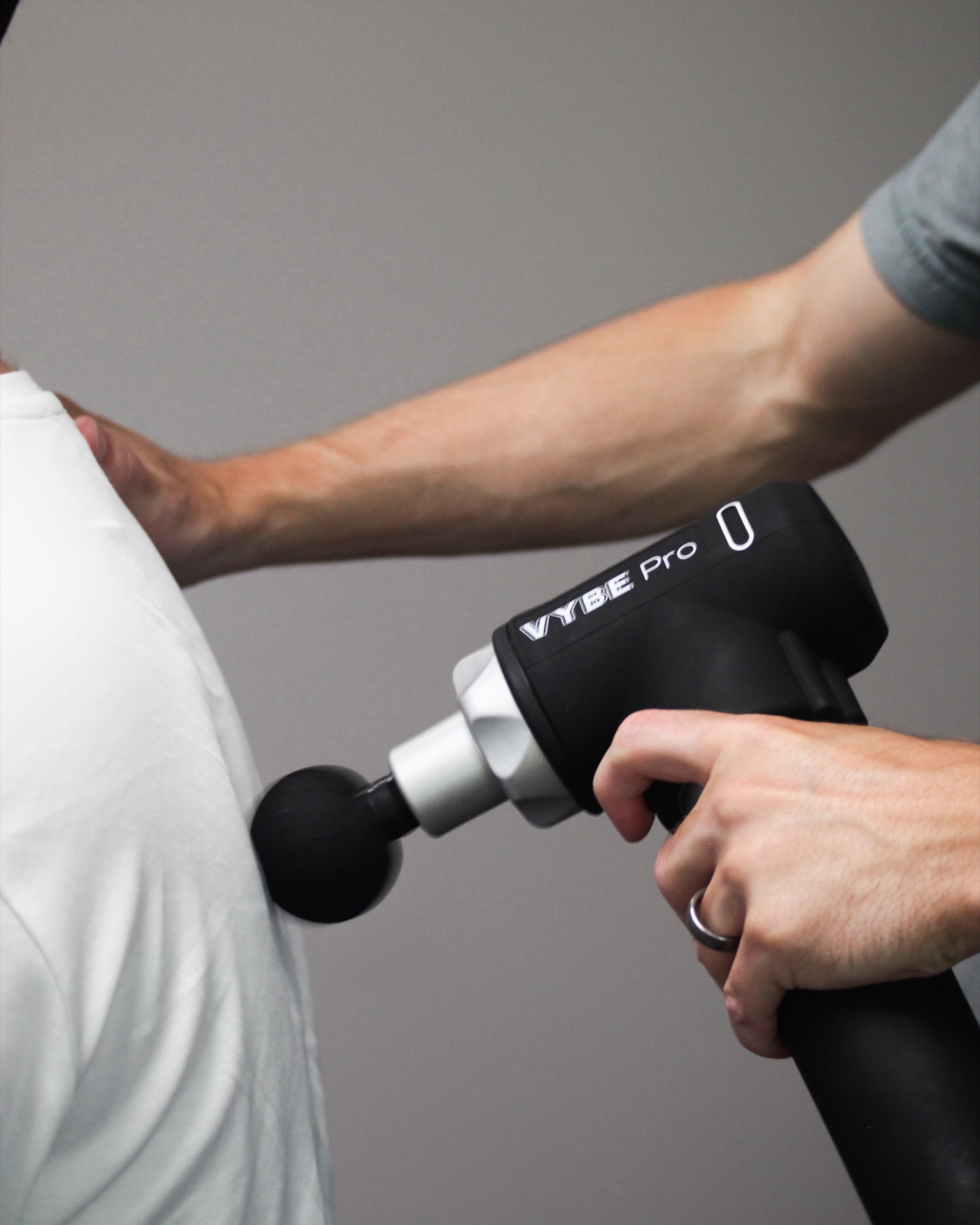
A few simple things make the day after easier:
- Keep moving. Gentle movement is better than parking on the couch. Walking is ideal. Stiffness likes stillness.
- Use heat or ice sensibly. Heat suits muscular achiness and helps things relax. Ice suits an area that feels irritated or inflamed. If you're unsure, heat is the safer default for ordinary soreness.
- Drink some water. Not a magic cure, but being well hydrated helps you feel better generally.
- Do your home exercises. Unless I've said otherwise, keep them going. They're part of what makes the adjustment hold.
- Ease off the heavy stuff for a day. Skip the max-effort lift or the first run back. Normal daily activity is fine and encouraged.
And tell me about it at your next visit. Soreness is useful information. If a particular technique consistently leaves you tender, I can change the approach, use a lower-force method, or adjust how much we do in one session. There's almost always another way to get the same result.
When to call instead
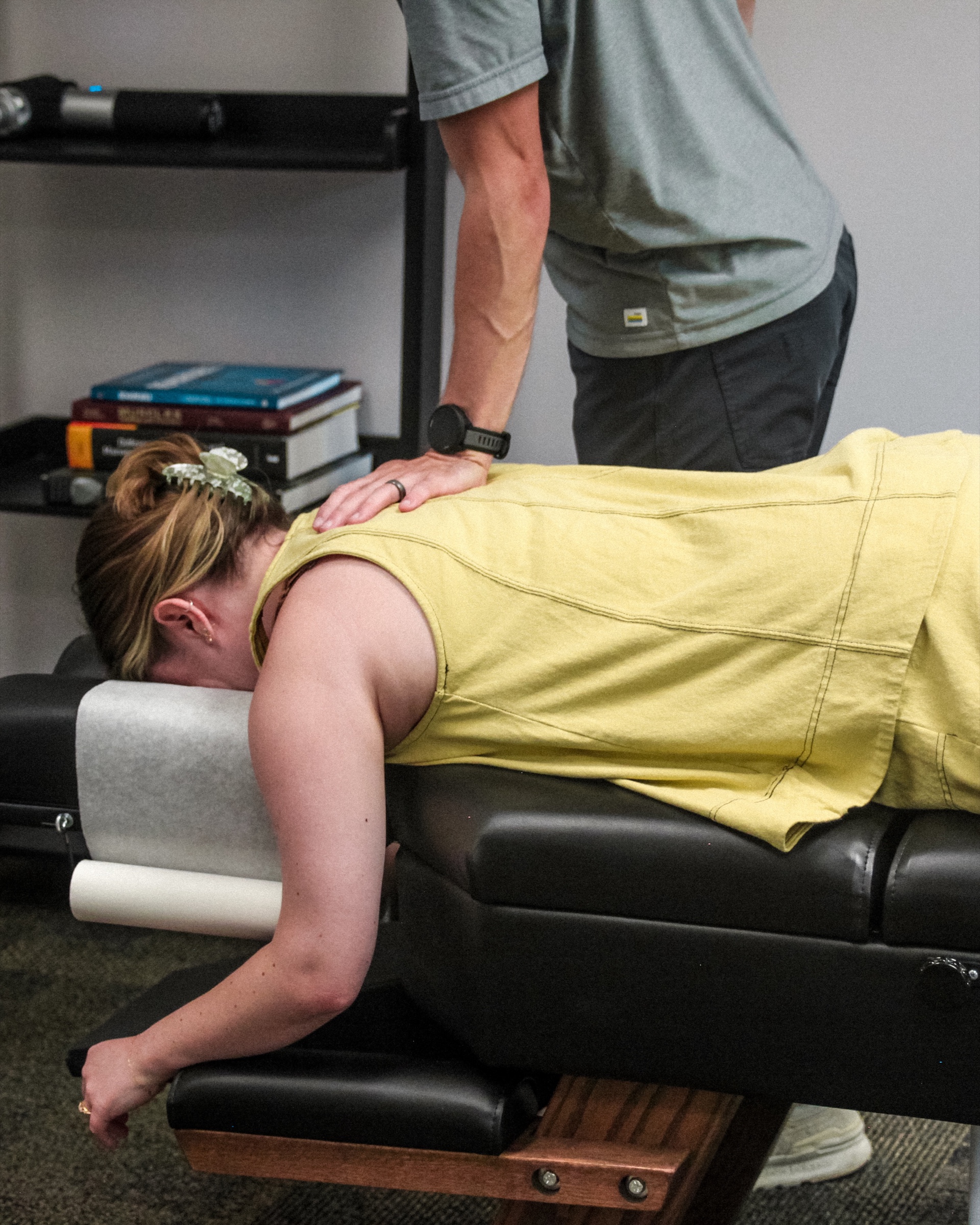
Ordinary soreness fades. These are the things that should prompt a phone call rather than waiting it out:
- Pain that is severe, sharp, or clearly worse than the problem you came in for.
- Soreness that's getting worse after two days instead of better.
- New numbness, tingling, or weakness anywhere.
- Pain radiating down an arm or a leg that wasn't there before.
- A significant headache, dizziness, or visual changes after a neck adjustment.
None of these are common, and I'd much rather you called and it turned out to be nothing than sat at home worrying about it. That's what the phone is for.
The short version
Feeling a bit sore after an adjustment isn't unusual, and typically resolves within a day. It's your body adapting to moving better, not a sign of harm. It gets less noticeable as you go, and if it doesn't, tell me and we'll change what we're doing.
If you're new to this and want to know what the whole process looks like, I walked through it in what to expect at your first chiropractic visit, and I answered the other question everyone asks in do you have to go to the chiropractor forever? There's also more detail on what actually happens during treatment in what a chiropractic appointment looks like.
Got a question about how you're feeling after a visit? Call us at (913) 400-2014, or book online if you're ready to get started at Tarry Chiropractic in Lenexa.