

You feel fine when you sit down. An hour or two into the workday, a dull ache creeps into your lower back, and by mid-afternoon you're shifting in your chair trying to find a position that doesn't hurt. If that sounds familiar, you're in good company. Lower back pain from sitting too long is one of the most common complaints I see, especially from people with desk jobs.
The reassuring part is that this kind of back pain usually isn't a sign of damage. It's your body reacting to being held in one position for too long, and it responds well to a few practical changes. Here's what's actually going on, and what to do about it.
Why sitting too long hurts your lower back
Sitting itself isn't the villain. The problem is prolonged, static sitting, holding one position hour after hour. A few things happen when you do:
- Your hip flexors shorten. These muscles run from your lower spine to your thighs, and sitting keeps them in a bunched-up position. Over time they tighten and tug on your lower back.
- Your glutes switch off. The big muscles that should support your hips and spine essentially go to sleep while you sit on them, so your lower back picks up work it wasn't meant to do.
- Your discs carry a steady load. The discs and muscles of your lumbar spine are built for movement, not for holding a fixed position all day, and static load is fatiguing for them.
- Circulation drops. Blood flow to the muscles around your spine slows when you're still, which adds to that stiff, achy feeling.
None of these is dramatic on its own. Stacked together for eight hours a day, they add up to a back that feels tight and sore.
It isn't only how long you sit, but how
How you sit stacks the deck too. A slouched posture, a screen that sits too low, no support for your lower back, or sitting on a wallet in your back pocket all shift load onto structures that aren't built for it.
You don't need a picture-perfect posture. You just want to avoid parking your spine in a demanding position and leaving it there.
What actually helps
Because this builds up gradually, the fixes are about consistency rather than one magic adjustment.
Move more often
This is the big one. Stand up and move for a minute or two every 30 to 45 minutes. Walk to refill your water, take a call on your feet, or just do a few gentle back and hip movements. Frequent movement beats long periods of stillness every single time, and it matters more than any single posture tweak.
Set up your workspace

A few adjustments take pressure off your lower back for the whole day:
- Sit with your feet flat on the floor and hips slightly above your knees.
- Support the natural curve of your lower back, with a small cushion or a chair that does it for you.
- Raise your screen so the top is around eye level, so you're not craning forward.
- If you have a sit-stand desk, use it to alternate positions through the day rather than locking into one.
Loosen what's tight and strengthen what's weak
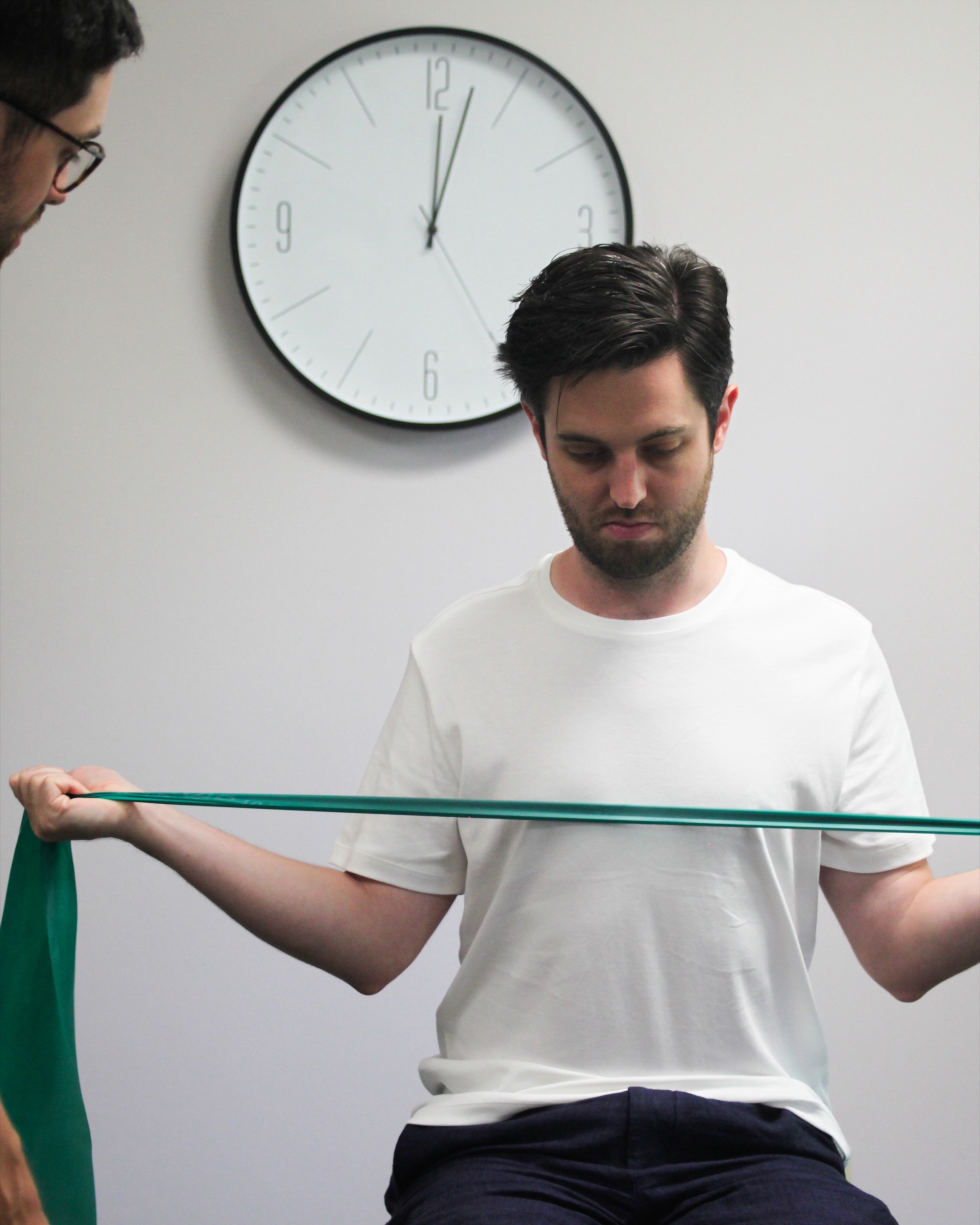
Gently stretching your hip flexors and keeping your glutes and core strong takes a real load off your lower back. A stronger support system means your spine isn't left to do all the work when you sit. I put together a set of desk worker stretches for lower back pain you can work through right at your desk, but even standing tall and doing a few slow backbends every couple of hours helps undo a morning of sitting.
When back pain from sitting needs a closer look
Most sitting-related back pain eases once you start moving more and tidy up your setup. But some signs are worth taking seriously. If your pain radiates down your leg, that can point to something like sciatica, which is worth having looked at specifically. Get it evaluated sooner rather than later if the pain keeps returning, lingers beyond a couple of weeks, or comes with numbness or weakness.
If you want the bigger picture on the everyday habits that quietly add up to back pain, I broke those down in Why Does My Lower Back Hurt?.
At Tarry Chiropractic in Lenexa, I take the time to understand what's actually driving your back pain and build a plan to get you moving comfortably again, whether that's hands-on treatment, targeted exercises, or simple changes to how you work. If sitting is leaving your back sore day after day, let's get to the bottom of it.